Patented technology seeking an acquirer
The first guitar pick that gives you feedback on your picking hand technique.
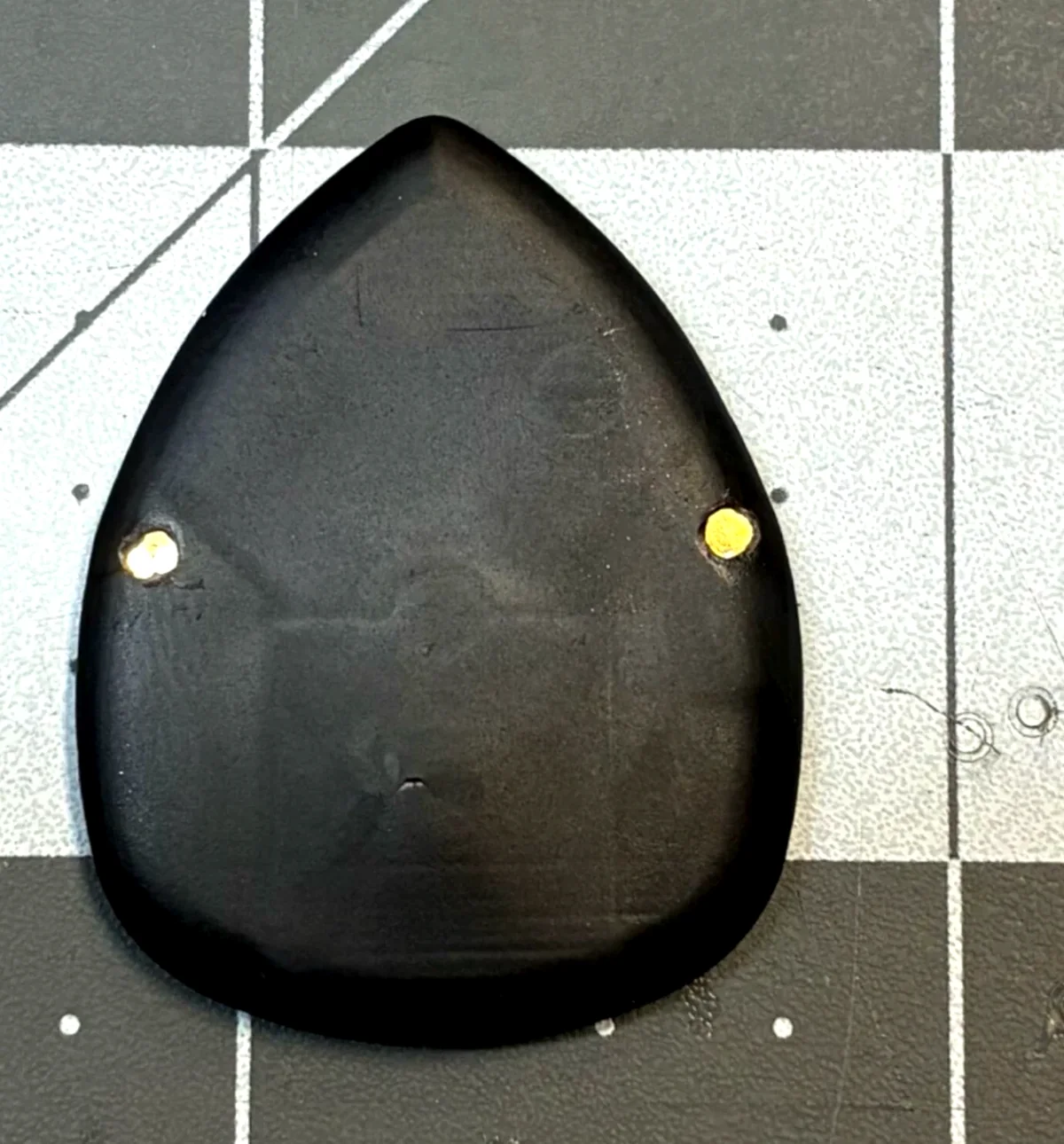
Pickatto measures something guitar players have never been able to track before: what happens in the picking hand.
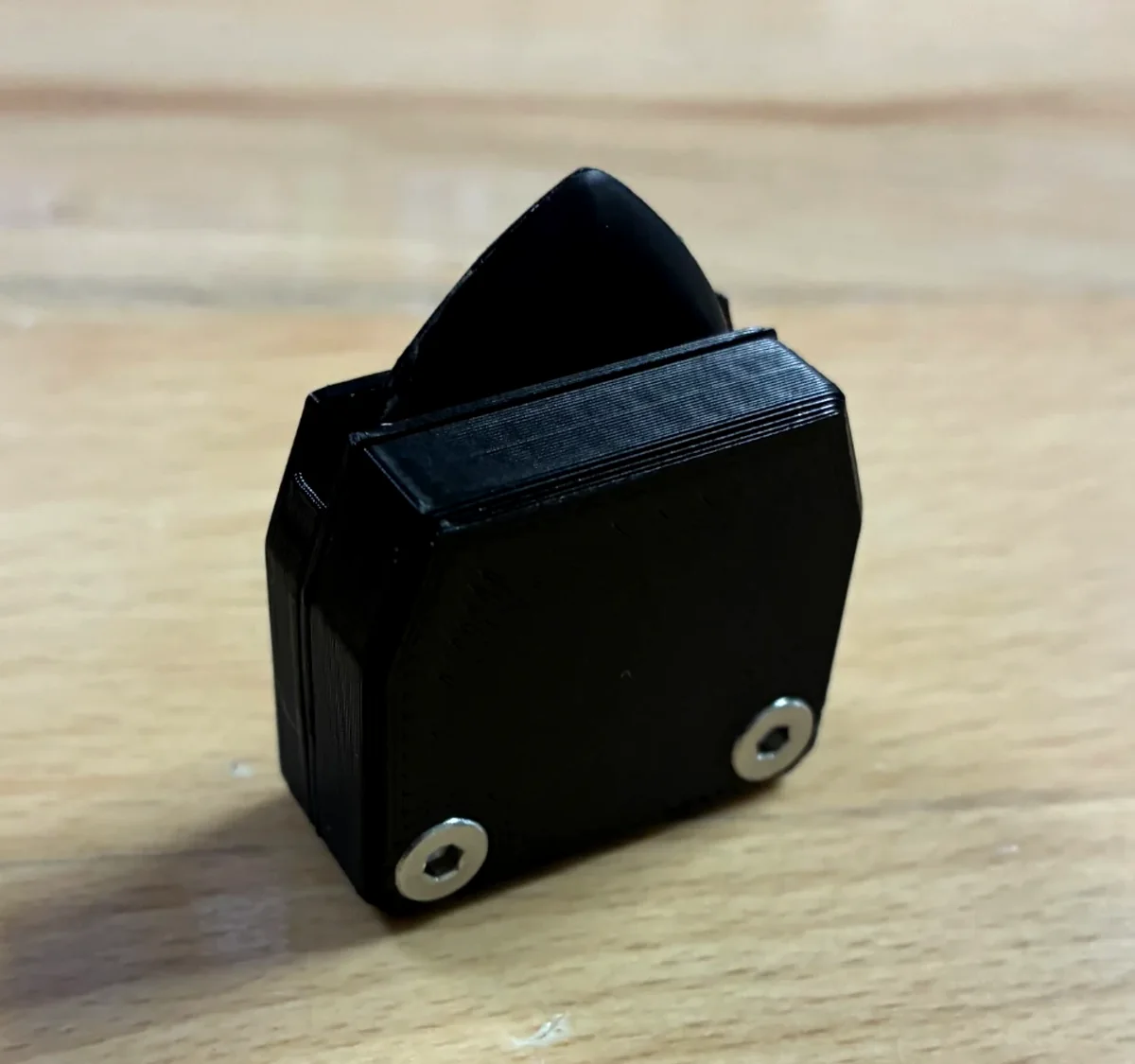
Grip pressure and every individual pick stroke are captured right inside the pick itself and streamed in real time using Bluetooth Low Energy.
We are now looking for the right opportunity to take it to the next level. We believe this technology belongs with a company that can bring it to guitar players everywhere.

- 9,640,151
- US utility patent
- Covering the instrumented plectrum
- Rust
- Production firmware
- Embassy on nRF52832, hardware-verified
- 1600 Hz
- Six-axis motion capture
- On-device, uploaded over BLE
- 3.3
- Board revision manufactured
- Schematics, BOM and gerbers in hand
The opportunity
A complete, de-risked technology package — not a concept.
Most IP that comes to market is a patent and a slide deck. This is a patent attached to hardware that has been fabricated and assembled, firmware that has run on it, and documentation written to be handed to somebody else.
Granted patent
01A granted US utility patent covers the instrumented plectrum: sensing what the player applies to the pick itself and reporting it wirelessly. Granted, not pending.
Manufactured hardware
02Rev 3.3 of the board exists physically. Schematics, PCB layout, the bill of materials by reference designator, gerbers, stencil files and a datasheet for every fitted part.
Production firmware
03A modern Rust codebase on Embassy, hardware-verified end to end — including a full over-the-air update onto a live device, which is the hardest thing to prove about a sealed product.
A companion app
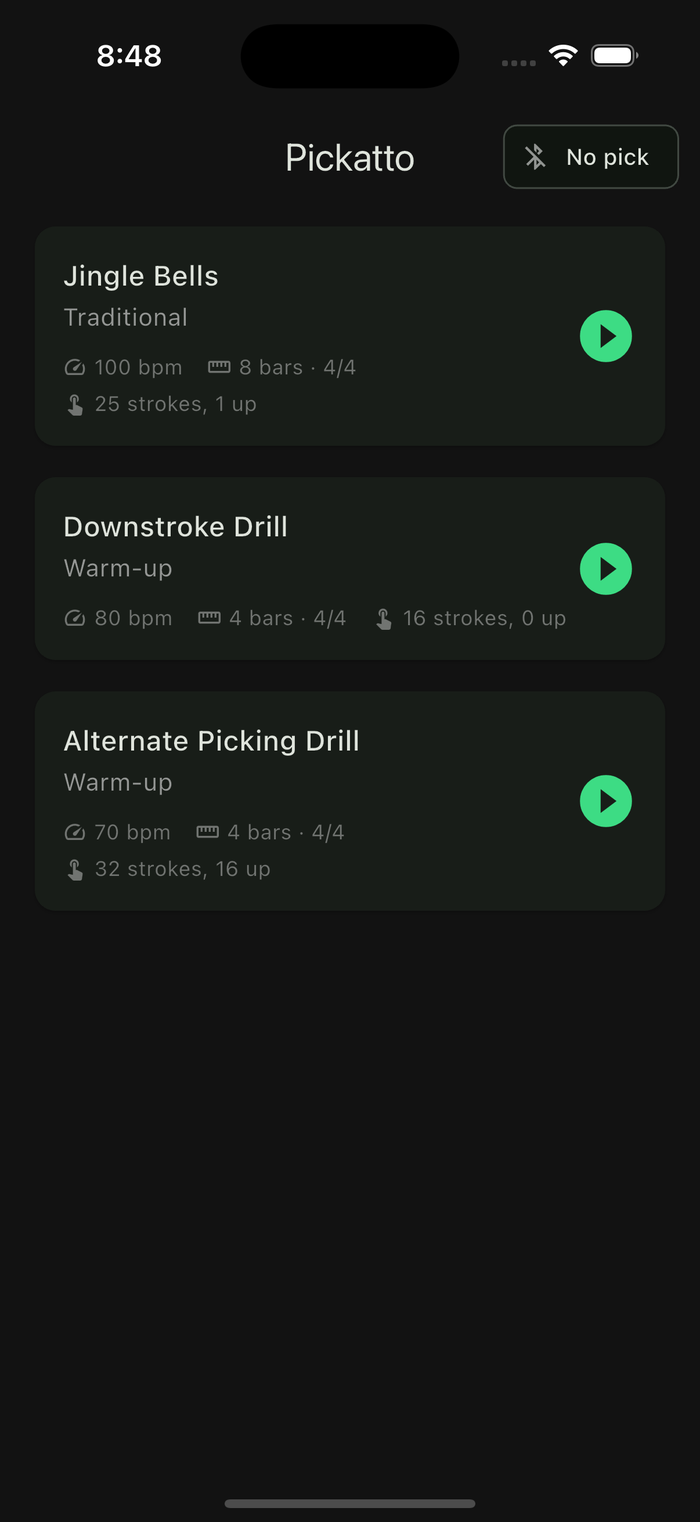
04Flutter, iOS and Android: connect a pick, pick a song, and play it while the tab scrolls and every stroke is scored on timing and direction. It runs without a pick too, which makes it demonstrable anywhere.
A buyer inherits working technology and the record of how it was made to work, including the problems that were found and fixed along the way. The asset inventory lists it line by line, candid about what is finished and what is not.
The product
It does not just count strokes. It judges them.
Every other practice tool judges or scores the fretting hand, because that is the hand a camera can see or a microphone can pick up. The picking hand is where speed, endurance and injury come from — and it stays invisible unless the pick itself is the instrument. The companion app turns that signal into a lesson: a tab scrolls under a fixed playhead, and every stroke the player makes is scored against what the tab asked for.
Measurement one
Every stroke, on timing and direction
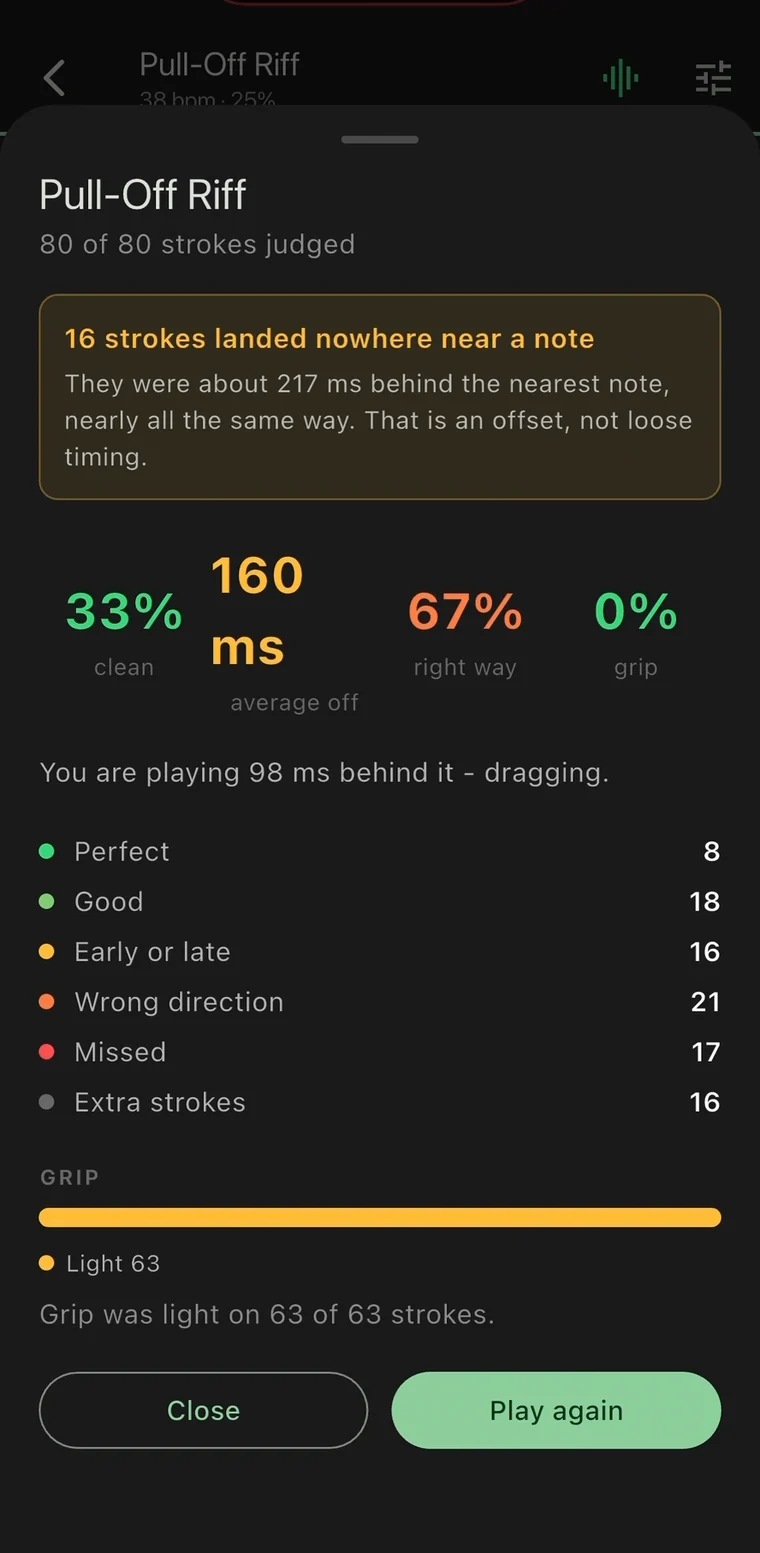
A metronome tells a player what they should have done. It cannot tell them what they did. Pickatto judges each stroke twice — whether it landed on the beat, and whether it went the way the tab asked — and keeps those two answers apart, because an upstroke played perfectly in time where a downstroke belonged is a different fault from a downstroke that was late.
Strokes land in six buckets — perfect, good, early or late, wrong direction, missed, and extra strokes the tab never asked for. The summary reports the signed mean error, so a player who is consistently 40 ms early is told they are rushing, rather than being given an average that hides it.
Measurement one, continued
Not every note is picked, and the tab says which
Hammer-ons, pull-offs and slides are sounded by the fretting hand. The pick never touches the string. A tool that counts strokes against notes gets this wrong in both directions: it marks the un-picked note missing, and it has nothing to say when a player picks one that should have been pulled.
The tab carries the articulation — 5 ⌢p 0 for a pull-off — and the stroke-direction marks sit above the picked notes only. So the scoring knows which notes expect a stroke and which expect silence from the pick, and picking an un-picked note is reported for what it is: an extra stroke, nothing in the tab there. It is the fault that separates a player who can read the articulation from one who is picking every note.
Measurement two
Grip, recorded but never folded in
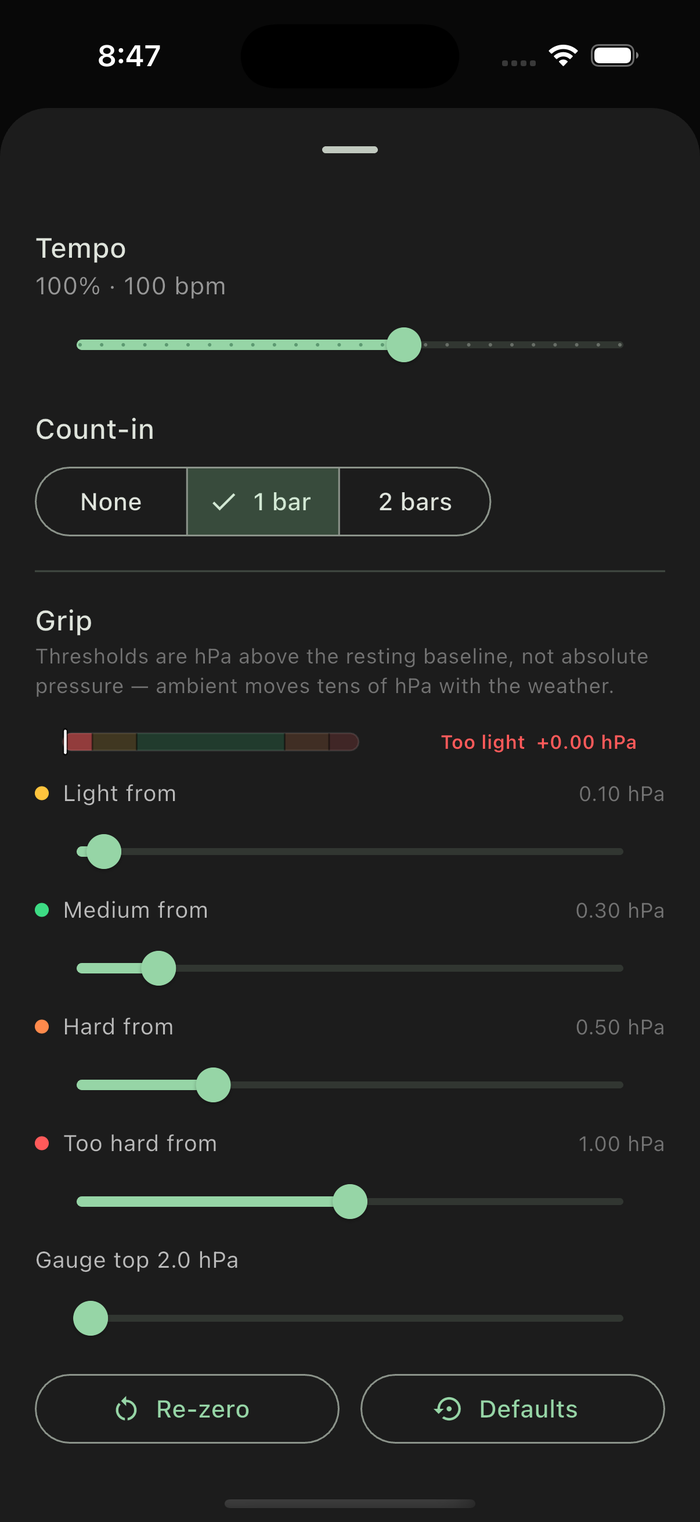
Speed and endurance come from a relaxed hand. Squeezing is the most common fault in picking, players cannot feel themselves doing it, and a teacher standing beside them cannot see it either. Pickatto reads it off the pick and bands it live, against a baseline it learns rather than a fixed threshold.
Each stroke carries the grip it was played at — and grip never changes a timing judgment. A stroke can be dead on the beat and white-knuckled, and those are two things to fix. One number hiding both would be worse than two numbers.
Why this is low-risk to take on
The hard parts are already solved, and written down.
Embedded products die on the details that are invisible from a demo: how a sealed device gets updated, what happens when a sensor stops answering, how anybody debugs a unit that has no debug header. Those answers exist here, in code and in prose.
Field updates that cannot brick a unit
OTADevices are sealed after manufacture with no accessible debug header, so over-the-air update is the only path in — and it works, verified by a real Rust-over-C update on real hardware. A signed, dual-bank bootloader validates every image before it runs.
A bootloader that is reproducible to the byte
VERIFYThe one component an update cannot repair is the thing that performs updates. Its build was extracted from a 141-second, 581 MB legacy toolchain into a 1.3-second one, with byte-identical output as the acceptance test and a hash check that keeps it honest.
Forensics on a device with no probe
BOOTLOGAn append-only power-event log in flash survives total loss of power, so a unit that died in the field can be asked what happened to it. Deliberately not exposed over Bluetooth, because it has to work when Bluetooth never came up.
Power behavior designed around the battery
IDLEA pick spends most of its life in a case. After two minutes with no movement and no connected phone, every sensor and the radio stand down to a documented low-power state, and a quarter-g of motion brings it back.
Test tooling that does not need a phone
BENCHPlayers use the pick with the companion app on a phone. Engineers do not have to: a bench tool drives the device straight from a Mac's own Bluetooth radio, with live streaming, battery and service inventory, labeled capture recording, update triggering and a full-screen dashboard.
That tool is macOS-only. The device is not — it is standard Bluetooth Low Energy, and the wire protocol is documented.
A dataset pipeline for what comes next
CAPTUREThe device records 1.28-second windows of six-axis motion at full rate and uploads them when playing stops, in a self-describing format. That is the raw material for training on-device gesture detection — the obvious next product, already instrumented for.
Why it is for sale
The technology outgrew the company that built it.
Pickatto was built by a small team around a working idea, and the engineering got where it needed to go. Taking a hardware accessory to consumers is a different undertaking — manufacturing at volume, retail distribution, app-store presence, support — and it is not the one this team is set up to win.
So rather than raise capital to become a consumer hardware company, we are seeking to place our pick with someone who already is one. The natural owners already have the pieces that are expensive to build and cheap to extend:
- Instrument and accessory brands— an existing dealer network and a pick line to put this in, where a patented connected product is a category of one.
- Music-education platforms— practice apps and subscription tuition services that currently have no way to verify what a student actually did between lessons.
- Connected-fitness and wearables teams— organizations that already know how to turn a sensor stream into habit, streaks and coaching; the same playbook applied to a new discipline.
- Strategic IP holders— a granted claim over the instrumented plectrum, in a category that connected-instrument makers are moving toward anyway.
Outside validation
The press got it immediately.
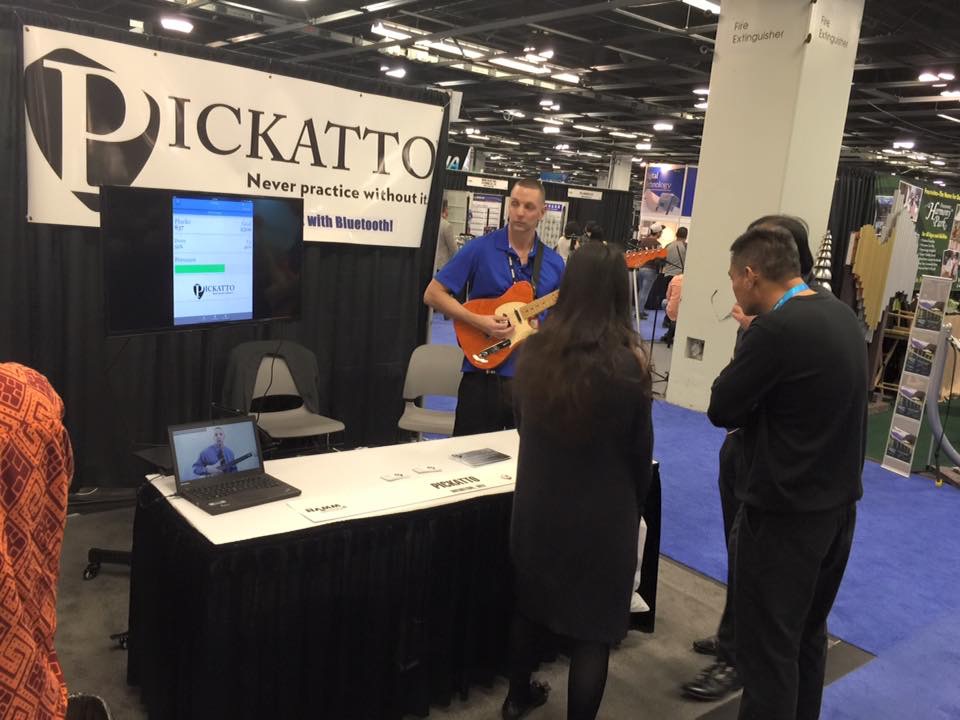
Pickatto was covered by the guitar trade on the strength of a prototype, which settled the question of whether the idea reads to the market it is aimed at.
“…no pick has been able to provide guitarists with any data about their playing. Pickatto hopes to change that.”
“…the Bluetooth-enabled Pickatto aims to do both.”
“…the most innovative was the Pickatto.”
Acquisition & licensing
The whole package is available for review.
Patent, schematics, BOM, fabrication outputs, the firmware and the bench tooling — under NDA, with an engineer available to walk through any of it.